
In the world of oil and gas processing, there is zero room for error. An oil refinery is a complex network of high-pressure vessels, volatile chemicals, and extreme temperatures. At the heart of this industrial labyrinth lies a critical component that often goes unnoticed until something goes wrong: the piping system. Specifically, the use of seamless pipe is not just a structural choice; it is a fundamental safety requirement.
Understanding why seamless pipes are preferred over welded alternatives is vital for every engineer, technician, and safety officer on-site. This guide explores the engineering behind mild steel pipe and the rigorous safety standards that keep the facility running without incident.
Why “Seamless” is Non-Negotiable in Refineries
The primary difference between a welded pipe and an MS seamless pipe is the absence of a longitudinal seam. Welded pipes are made by rolling a flat plate and joining the edges. In contrast, a seamless pipe is manufactured through a process called extrusion, where a solid billet is pierced to create a hollow tube.
Strength Under Pressure
The seam in a welded pipe is traditionally its weakest point. Under the intense hydraulic pressures found in refinery “cracker” units, a seam represents a potential failure line. Because ms seamless pipes have a uniform crystalline structure throughout their circumference, they offer a higher safety margin. They can withstand significantly higher internal pressures without the risk of splitting.
Resistance to Corrosion
Oil refineries deal with “sour” crude and corrosive chemicals. In welded pipes, the heat-affected zone (HAZ) near the weld is often more susceptible to corrosion. By using mild steel pipes, refineries eliminate this localized vulnerability, ensuring that the pipe wall thins at a predictable, uniform rate.
Key Applications of Mild Steel Seamless Pipes
In a refinery, different sections require different material properties. However, seamless pipe is the “workhorse” of the facility due to its versatility and cost-effectiveness.
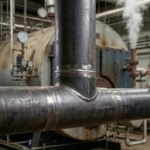
- High-Pressure Steam Lines: Refineries use steam for everything from heating heavy crude to powering turbines. The thermal expansion and high pressure involved necessitate the reliability of seamless pipes.
- Hydrocarbon Processing: Transporting volatile gases requires a pipe that can handle pressure surges. The structural integrity of mild steel seamless pipe prevents leaks that could lead to fire hazards.
- Heat Exchangers: The efficiency of a refinery depends on moving heat from one fluid to another. Seamless tubes are used in heat exchangers because they offer better dimensional accuracy and thinner walls without sacrificing strength.
Safety Standards and Certifications
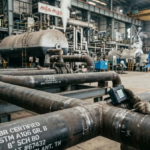
Safety in a refinery is governed by strict international codes. For a worker, knowing the “language” of these pipes can save lives.
ASTM A106 and API 5L
These are the two most common specifications you will see stamped on an MS pipe.
- ASTM A106: Specifically designed for high-temperature service. If you are working near a furnace or a distillation column, you are likely surrounded by A106 ms pipes.
- API 5L: This standard is set by the American Petroleum Institute. It covers pipes used for transporting oil, gas, and water. It ensures the mild steel seamless pipes have the right toughness to handle the stresses of long-distance transport.
Schedule and Pressure Ratings
The “Schedule” of a pipe (e.g., Sch 40, Sch 80) refers to its wall thickness. A higher schedule means a thicker wall. Safety protocols dictate that workers must verify the schedule of the MS pipe before it is installed in a high-pressure line. Installing a Sch 40 pipe where a Sch 160 is required is a recipe for a catastrophic blowout.
Identifying the Risks of Substandard Piping
Using an inferior or incorrect mild steel pipe can lead to “Loss of Primary Containment” (LOPC). This is the industry term for a leak or rupture.
- Vibration Fatigue: Refineries are noisy, vibrating environments. Welded seams are prone to “fatigue cracking” over time. MS pipe absorbs these vibrations more uniformly, reducing the risk of sudden snaps.
- Thermal Shock: When a refinery shuts down or starts up, pipes go from ambient temperatures to several hundred degrees Celsius. The uniform expansion of a it prevents the warping that can occur in non-seamless materials.
Maintenance and Inspection Protocols
Even the highest quality ms seamless pipes require regular “health checks.” Every worker should be aware of the common inspection methods:
Non-Destructive Testing (NDT)
NDT allows inspectors to check the internal health of a pipe without cutting it open.
- Ultrasonic Testing (UT): High-frequency sound waves are used to measure the wall thickness of the seamless pipe. This detects internal thinning caused by corrosion.
- Radiography (X-ray): This is used to look for internal pits or cracks that aren’t visible to the naked eye.
Visual Checks for Workers
While the engineers handle NDT, every worker can perform basic visual checks:
- Discoloration: Check for “rainbow” patterns on the ms seamless pipes, which might indicate localized overheating.
- External Corrosion: Look for “blisters” under the paint or insulation. This is often a sign of Corrosion Under Insulation (CUI).
- Support Integrity: Ensure the pipes are properly supported. Even a strong seamless pipe can fail if it is allowed to sag and create “stress points.”
The Economic and Human Impact of Pipe Safety
The cost of a high-quality MS pipe is higher than a welded one, but the return on investment is measured in lives saved and avoided downtime. A single pipe failure can lead to an emergency shutdown (ESD), costing a refinery millions of dollars per day. More importantly, it can lead to environmental disasters and loss of life.
By adhering to the standards of mild steelpipes, refineries ensure that their most valuable asset (their workforce) is protected from the inherent dangers of the oil and gas industry.
A Culture of Safety
The role of ms pipes in oil refineries is foundational. From their superior manufacturing process to their ability to withstand the harshest conditions on Earth, these pipes are the unsung heroes of industrial safety.
For the worker on the ground, understanding the specs, recognizing the stamps of ASTM/API, and maintaining a vigilant eye for corrosion are the best ways to ensure a safe working environment. When we respect the materials we work with, we ensure that everyone goes home safe at the end of their shift.
If you want more about safety in the oil and gas industry Check out the Video which begins with quality materials and informed workers. If you are responsible for procurement or maintenance in a refinery, always ensure your MS Pipes come with genuine IBR and MTC (Mill Test Certificate) documentation.
Contact our technical consultants today for a complete guide on IBR-compliant piping solutions for the oil and gas sector.
10 Frequently Asked Questions (FAQs)
1. Why are seamless pipes used in oil refineries instead of welded pipes?
Seamless pipes have no joints or welds, which makes them much stronger and more resistant to high pressure and leaks. This is vital for transporting flammable hydrocarbons safely.
2. What is the most common pipe grade used in refineries?
ASTM A106 Grade B is the industry standard for high-temperature carbon steel seamless pipes in refineries and petrochemical plants.
3. What does IBR mean in the context of Indian refineries?
IBR stands for Indian Boiler Regulations. While it primarily covers steam lines, many refinery pipes also fall under IBR if they are connected to steam generation or high-pressure systems.
4. What is OISD-STD-130?
It is the standard for the inspection of piping systems in the Indian oil industry. It provides guidelines on how often and by what methods refinery pipes should be checked for safety.
5. How does salt air in Tamil Nadu affect MS Seamless pipes?
Salt air causes rapid external corrosion (rusting). In coastal refineries, pipes need frequent painting and ultrasonic thickness checks to ensure the salt hasn’t thinned the metal walls.
6. Can MS pipes handle toxic gases like Hydrogen Sulfide (H2S)?
Yes, but they often require “NACE” certification (MR0175) to ensure the steel is resistant to “Sour Gas” cracking, which is a common hazard in refineries.
7. What is “Wall Thinning” and why is it dangerous?
Wall thinning is the gradual loss of metal due to internal or external corrosion. If the wall becomes too thin, the pipe can no longer hold the pressure and will eventually burst.
8. How do workers identify a pipe’s pressure rating?
The pressure rating is determined by the “Schedule” of the pipe (e.g., Schedule 40, Schedule 80). The higher the schedule number, the thicker the pipe wall and the more pressure it can handle.
9. What safety equipment is needed when working near high-pressure pipes?
Workers should wear fire-resistant clothing (FRC), safety goggles, hard hats, and, in some areas, H2S monitors and breathing apparatus.
10. What is a “Hydro-test”?
A hydro-test is a safety procedure where a pipe is filled with water and pressurized beyond its normal limit to ensure there are no hidden leaks or weak points before it is put into service.