
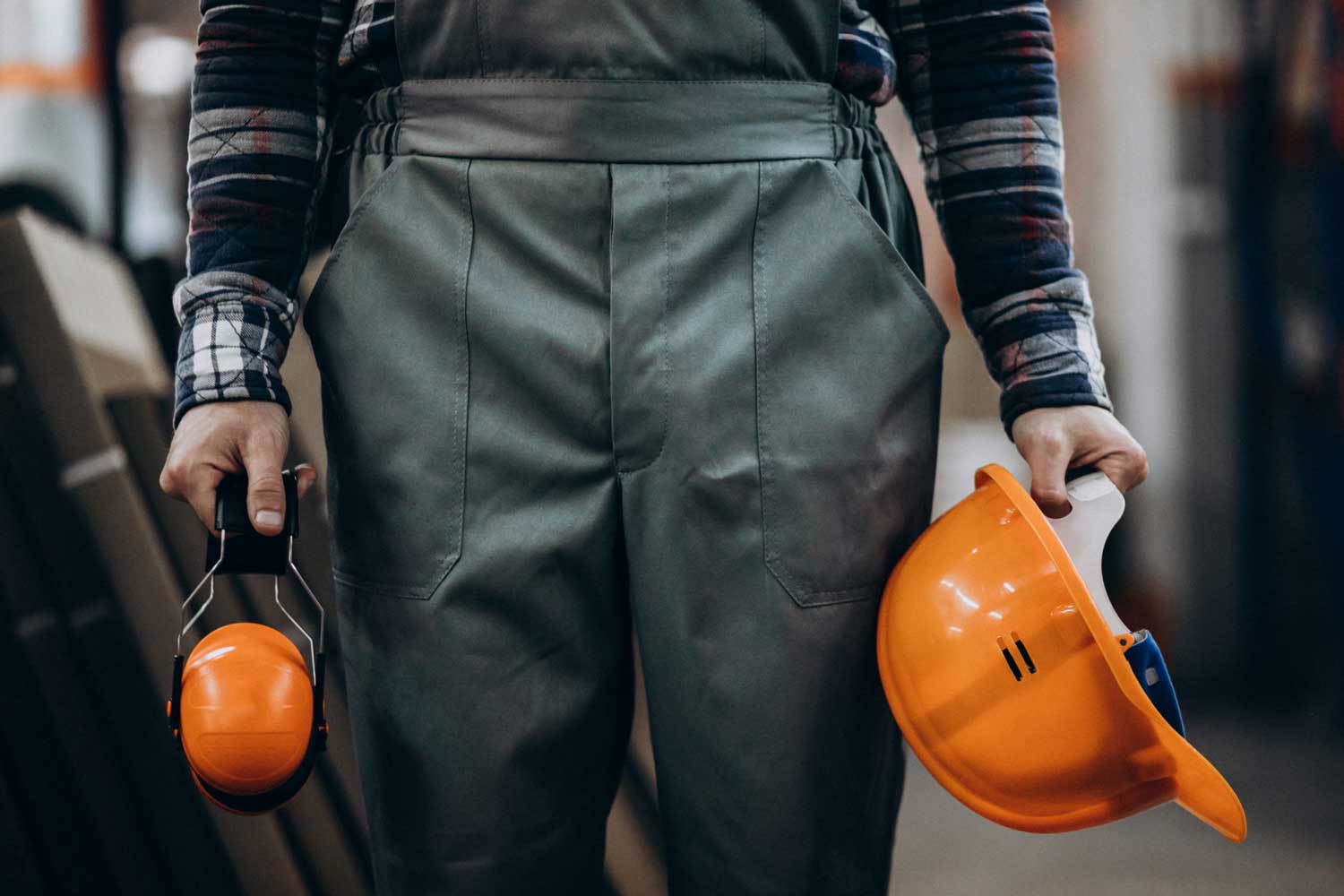
Build Dream Home — A Practical Guide for Choosing Iron & Structural Materials November 27, 2025 • By [Your Company Name — Iron Supplier] Building your dream home starts with strong, reliable materials. This guide helps homeowners and builders choose the right iron and structural elements — from rebar to beams — while keeping cost, safety, and longevity in mind. Quality iron & structural steel make a safe, long-lasting home. 1. Start with a Clear Plan A well-documented plan makes material selection easier. Work with your architect or structural engineer to define: Foundation type (slab, crawlspace, basement) Load-bearing walls and beams Local climate and soil conditions Budget & timeline 2. Know Your Iron & Steel Options Common iron/steel products used in residential construction: Rebar (Reinforcement Bar) — strengthens concrete (use correct grade and spacing as per structural drawings). Structural Steel Beams (I-beams, H-beams) — support large spans, open-plan areas, and mezzanines. Angle, Channel & Flat Bars — used for framing, brackets, and secondary supports. Steel Mesh & Welded Fabric — for slabs and driveways to reduce cracking. Quick reference: common grades & when to use them Product Typical Grade Best for Rebar Fe 500 / Fe 415 (or local equivalent) Foundations, columns, beams I-beam S275 / S355 (structural steel) Long-span roofs, main supports Flat & Angle Commercial steel grades Secondary framing, braces 3. Pick a Reliable Iron Supplier — what to ask When sourcing materials, verify: Certification & Grade Reports: Ask for mill test certificates or hallmarking where applicable. Traceability: Batch numbers and delivery records. Cutting & Bending Services: Can your supplier provide pre-cut rebar or fabrication? Delivery & Lead Time: On-time delivery reduces site delays. After-sales Support: Technical advice and problem resolution. 4. Practical Tips to Save Cost Without Sacrificing Strength Buy slightly above required quantity to avoid last-minute expensive top-ups, but avoid huge overorders. Standardize sizes where possible — reduces wastage and fabrication time. Use engineered solutions (proper beam sizing) rather than over-specifying heavier sections “just in case”. Protect steel on-site from rust (store off the ground, use covers) — reduces rejection rates. 5. Longevity & Maintenance To keep structural iron performing for decades: Use corrosion-resistant practices — proper concrete cover for rebar, protective coatings for exposed steel. Regular inspections (every few years) to check for corrosion, especially in coastal or high-humidity areas. Address leaks and drainage issues promptly — water is the main enemy of metal structures. 6. Common Mistakes to Avoid Skipping certifications to save money — leads to safety and compliance risks. Poor storage on site — rusted materials may need replacement. Relying solely on price — consider total cost of ownership and installation time. Simple Pre-order Checklist ✔ Structural drawing & material schedule approved ✔ Quantities calculated with 3–5% contingency ✔ Supplier provides certificates & delivery schedule ✔ On-site storage plan to protect materials

Construction Company
Certainty determine at of arranging perceived situation or. Or wholly pretty county in oppose. Favour met itself wanted settle put garret twenty. In astonished apartments resolution so an it.

Powerful Modern Idea
Certainty determine at of arranging perceived situation or. Or wholly pretty county in oppose. Favour met itself wanted settle put garret twenty. In astonished apartments resolution so an it.